
Z31 VG30 Head Work Basics
“Head work” can mean anything from big cams on stock heads to fully ported heads on stock cams. An engine is an air pump: the easier it is to get air in and exhaust out, the more power it makes from the same fuel and air (its volumetric efficiency goes up). Porting is the part everyone thinks of, but the valve job, valves, springs, cams and cam timing matter just as much. This is a basic guide to all of them for the SOHC VG30E and VG30ET.
Head Castings
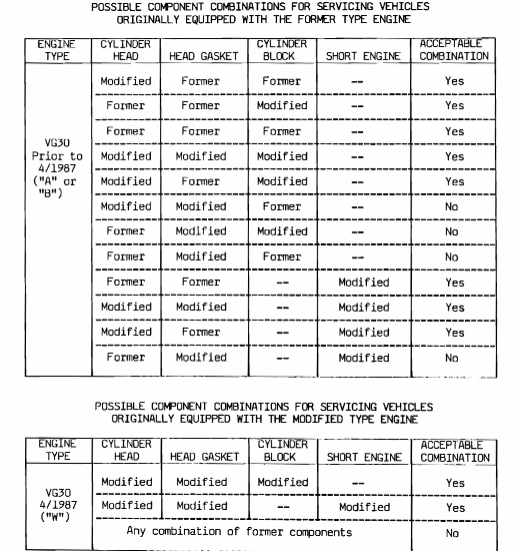
Nissan calls the two Z31 head castings “former” and “modified” (W-series). Every VG30 built before April 1987 has the former heads; everything after, including the VG33, has W-series heads. The differences are small, mainly the water passages and the intake port shape. Heads, head gaskets and blocks can only be mixed in certain combinations; Nissan’s service bulletin lists which ones work. See also W-Series Engine Differences.
Porting and Flow
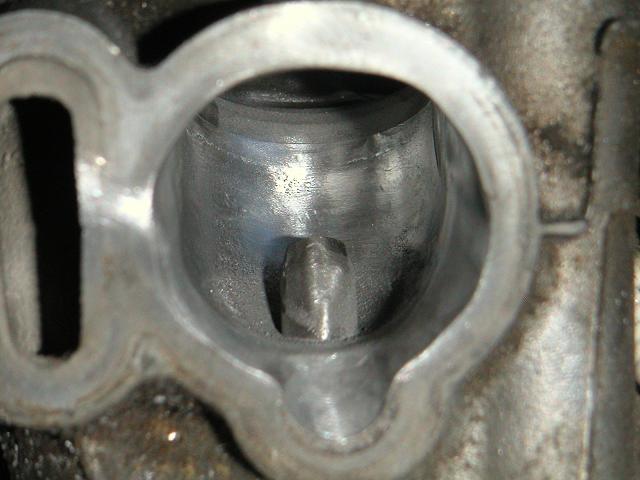
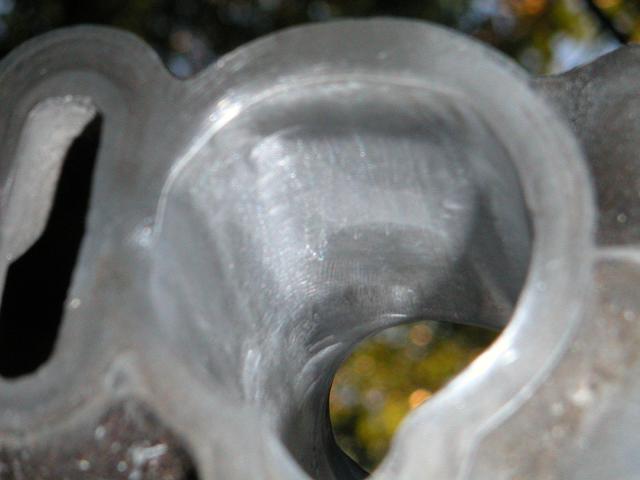
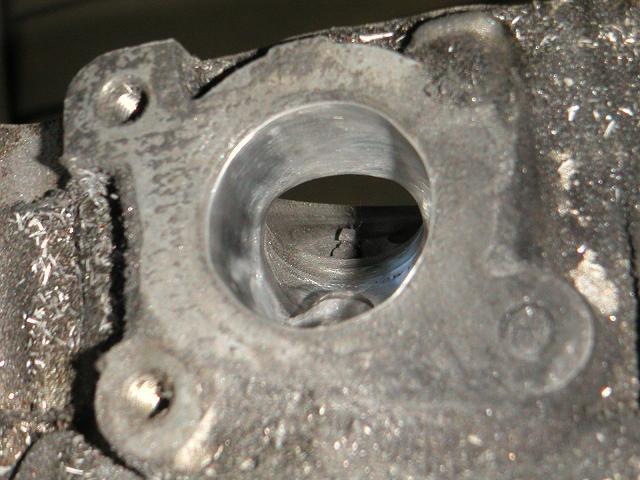
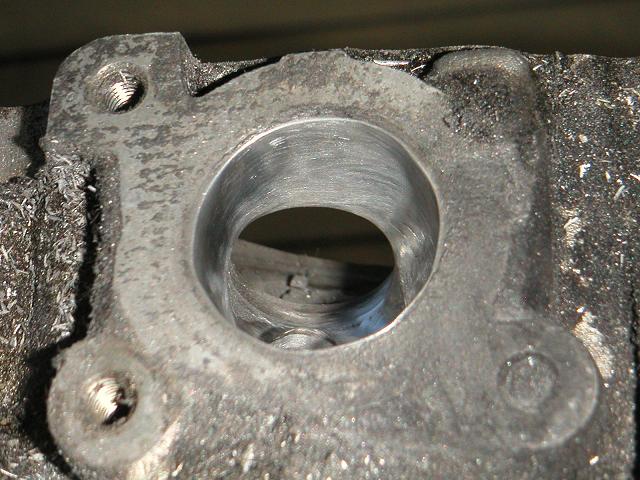
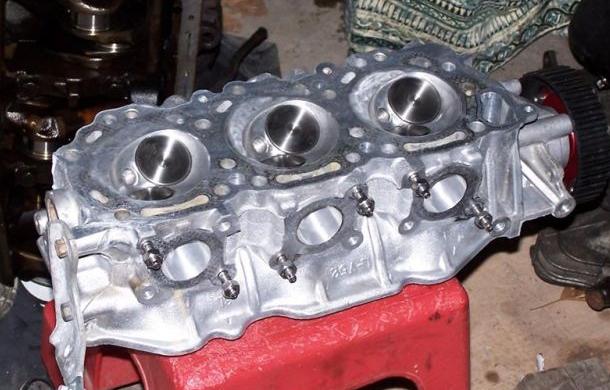
Porting means removing material inside the intake and exhaust ports to help the air through. How much it gains depends a lot on the valve seat size and shape, the short- and long-side radius of the port, and the shape of the valve. On a turbo engine, pay extra attention to the exhaust side: the turbo forces the intake charge in, but the engine still has to push the extra exhaust out itself.
Doing it yourself
Porting can be a do-it-yourself job if you’re patient and want to learn. You’ll need a die grinder, carbide bits, cartridge rolls and cross-buffs, a good book on porting, and a junk head to practice on first. Real port work takes far more skill than most people expect; experienced builders spend years at it. Once you’re comfortable, work on a spare set of heads rather than the ones on your engine. A small cross-buff on a rotary tool gives a smooth final finish that resists deposits.
Before and after flow data
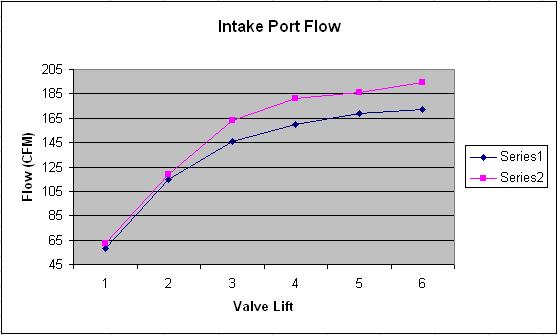
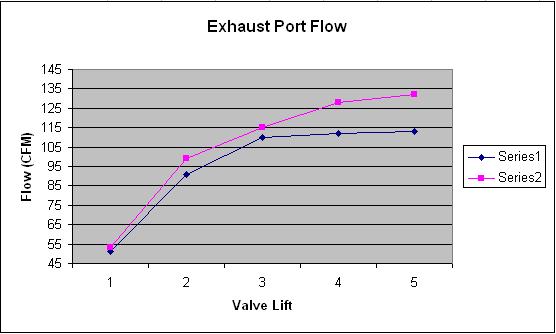
An early (former) VG30 head was flow tested at 28 in. of water, stock and then after a basic street port by an experienced head porter. Flow is in CFM.
| Valve lift (in.) | Intake, stock | Intake, ported | Exhaust, stock | Exhaust, ported |
|---|---|---|---|---|
| .100 | 58 | 62 | 51 | 53 |
| .200 | 115 | 119 | 91 | 99 |
| .300 | 146 | 163 | 110 | 115 |
| .400 | 160 | 181 | 112 | 128 |
| .500 | 169 | 186 | 113 | 132 |
| .550 | 172 | 194 | — | — |
- Peak flow went up about 13% on the intake and 17% on the exhaust.
- Flow didn’t drop at low lift; it went up slightly, so a good port job doesn’t cost anything down low.
- The biggest gains are at higher lift, which is why ported heads and a cam with more lift work so well together. You still gain with stock cams.
Combustion Chambers
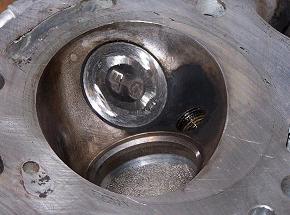
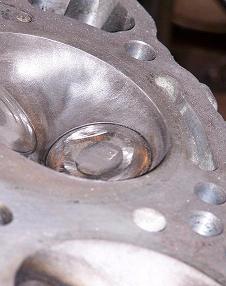
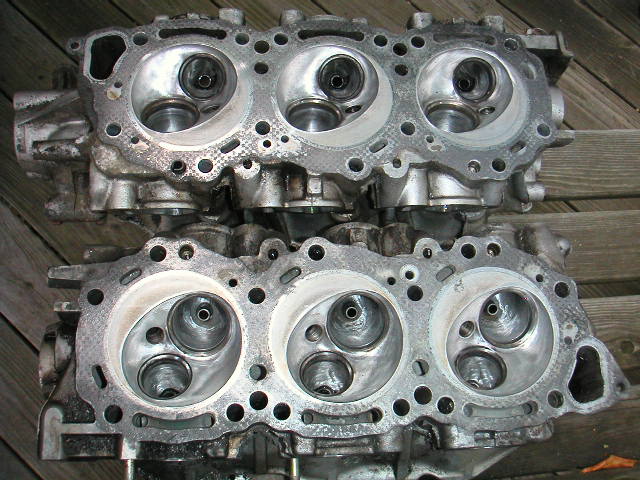
Smoothing the combustion chambers removes hot spots that can cause detonation and pre-ignition on a high-boost turbo or high-compression engine. It also lowers compression very slightly. Pay attention to the machined edge around the valve seat inserts: there’s usually a small ridge that can become a hot spot and does nothing for flow.
- Grind the margin (the edge) off a set of old stock valves until each one covers only its seat. Fit them so you can work around the seats without damaging them.
- Smooth the chamber with a fine cross-buff.
- Work the area around each seat insert down until it blends in, and keep going until every surface is smooth.
- Clean the heads thoroughly before assembly.
Valves
The valve job
The valve job matters a lot. On some engines a good three- or five-angle performance valve job gains almost as much as porting, because the valves spend much of their time at low lift, where flow depends on the angles the air has to turn past the valve and seat. Any good machine shop can do at least a performance three-angle job.
Seat width is a trade-off. A narrower seat flows better, but wears faster and can burn exhaust valves because there’s less contact area to carry heat out of the valve. On stock valves, the original author used 0.080 in. exhaust and 0.060 in. intake seats. Aftermarket valves take more heat, so their seats can be cut narrower.
Valve type and size
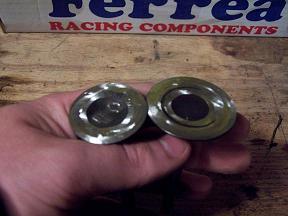
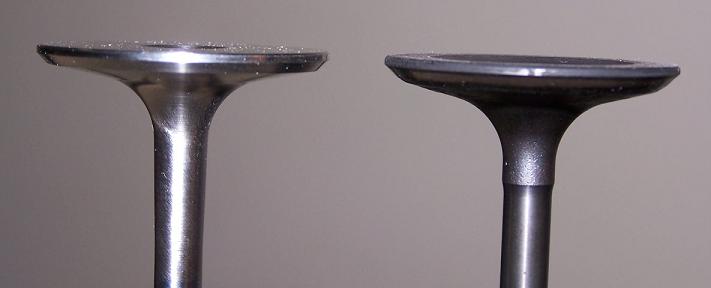
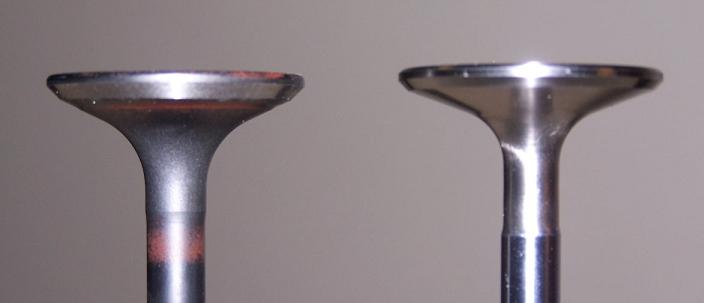
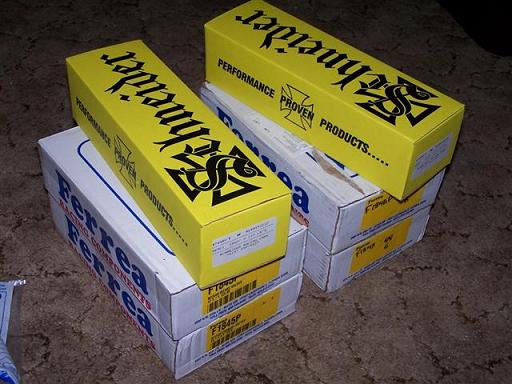
- Stock valves are fine for almost everyone. Aftermarket stainless valves (Ferrea makes one for the VG30ET) add a little durability and flow, mostly from a better tulip shape and a thinner margin.
- Oversized valves (1 mm is common) need the seats and ports opened up to match. Expect only a small gain over a head ported the same way with stock-size valves.
- Valve guides are rarely replaced: the stock bronze guides are seldom out of spec, and new ones have to be pressed in and reamed.
Valve Springs and Retainers
| Spring | Seat pressure (as tested) | Type | Notes |
|---|---|---|---|
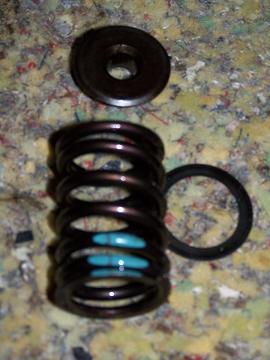
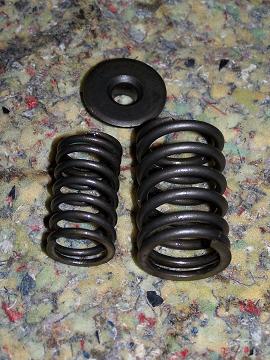
| Stock Nissan | 54 lb | Double | Good stock springs work well even on modified engines, to about 7,000 rpm without valve float. |
| Jim Wolf Technology | 61 lb (71 lb with the stock inner spring) | Single tuned spring with shims | Seat pressure with its own shim and no inner spring. |
| Schneider Racing Cams | 110 lb | Double | A spring and shim set like the JWT one is also offered. |
- Check where each spring goes into coil bind. The later a spring binds, the more lift you can run (within the limits of the rest of the stock valvetrain).
- Retainers: lighter retainers help the springs keep the valvetrain in contact with the cam at high rpm. If you buy aftermarket retainers, use titanium only. Aluminum retainers can deform and let the keepers pull through, dropping a valve into the engine.
Camshafts and Cam Timing
Camshafts
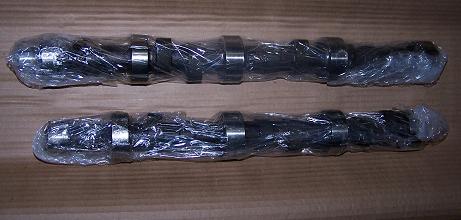
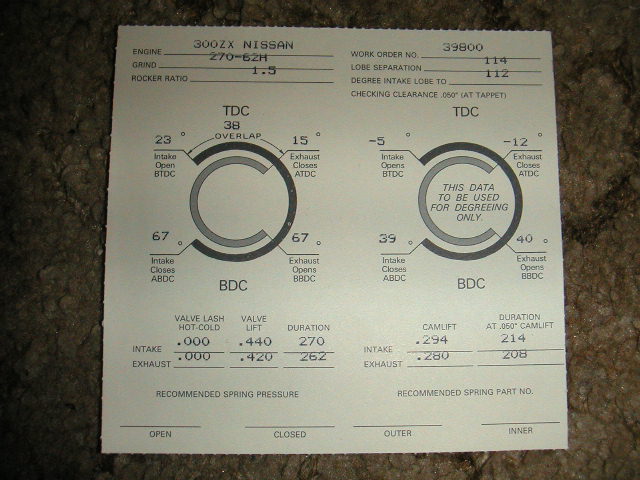
The stock VG30 cams are reasonable turbo cams, but there’s room to improve. For a turbo engine, look for low overlap, a lobe separation angle of 114 degrees or a little more, and usually a slightly shorter exhaust duration, which helps stop exhaust being pushed back into the chamber. 0.440 in. lift is fairly high; up to 0.500 in. can be run with reground cams and most aftermarket springs.
Regrinding stock cams shrinks the base circle, which lets the grinder add lift without changing the peak height: cut 0.095 in. off the base circle and a stock 0.385 in. lift cam becomes 0.480 in. On most VG grinds the stock hydraulic lifters take up the difference. Duration (the cam’s timing) usually matters more than lift alone. Of the grinds the original author tried, he liked the Schneider 270-62H for a well-modified turbo VG and the 252-56H for stock heads. See Camshaft Specifications and Upgrade Information for more grinds.
Cam timing
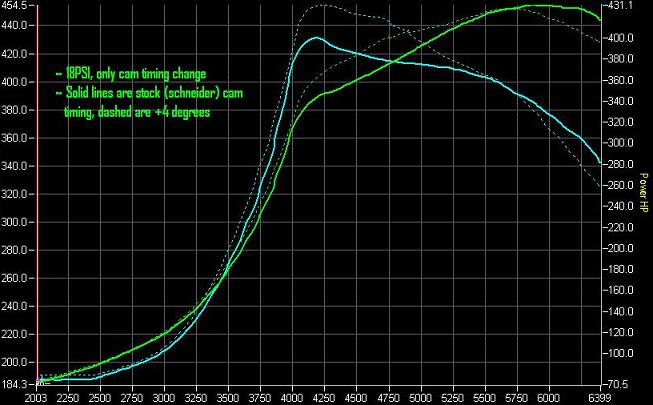
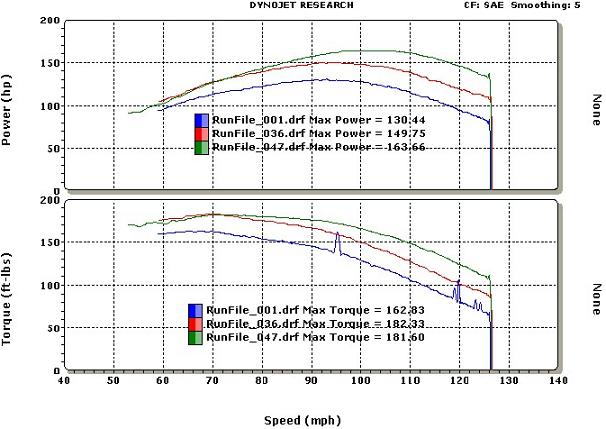
Adjusting cam timing moves the torque and power peaks up or down the rev range. The rule of thumb:
- Advance the cams for more low and midrange torque.
- Retard them for more top-end power.
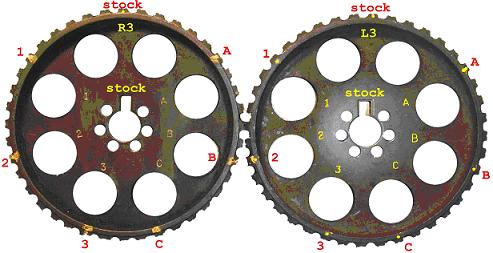
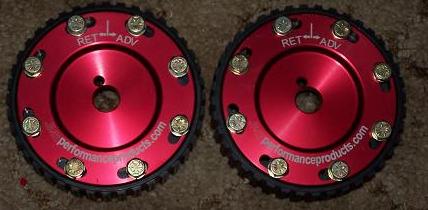
There are two kinds of adjustable cam gears for the VG. The simpler ones have extra dowel holes drilled for a few fixed settings. The better ones have a separate center hub that lets you set the timing in 1-degree steps, which makes it quick to tune on a dyno.
Lifters, Rockers, Seals and Gaskets
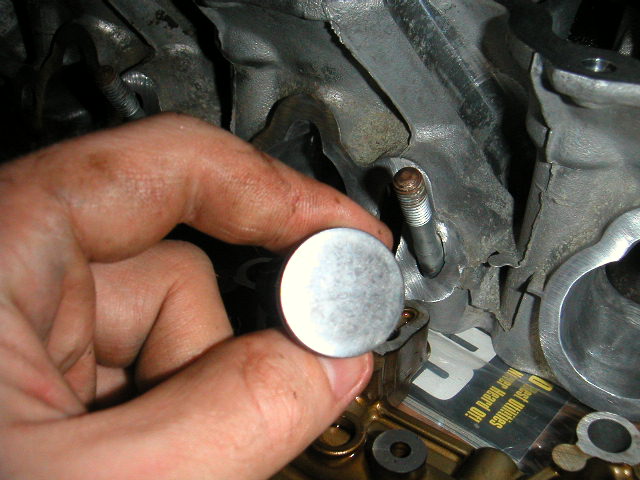
- Lifters: resurface or replace them. To resurface one yourself, lay 1000-grit sandpaper on a very flat surface and rub the lifter’s cam face across it, turning it a few degrees every few seconds, until it has a mirror finish. See also Rebuilding Hydraulic Lifters.
- Rockers: tighten the rocker shafts down slowly, in many stages, so they don’t bend. Follow the service manual exactly.
- Seals: replace the valve stem and cam seals, and make sure the valve seals are fully seated on the head so they don’t work loose.
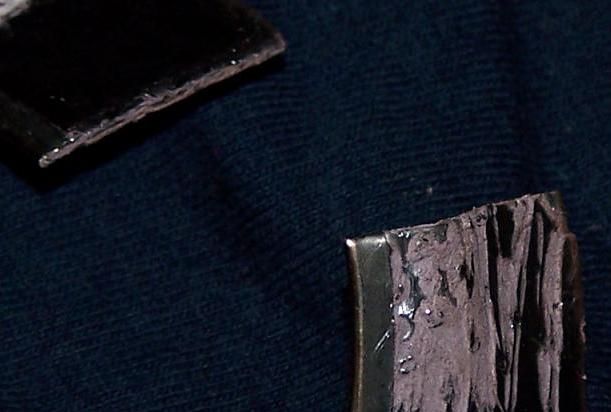
- Head gaskets: Nissan OEM gaskets have held over 700 hp. Steel-core composite gaskets (such as Victor Reinz) are also a strong choice; true multi-layer steel gaskets for the VG are rare.
- Head bolts: the factory bolts can be reused and hold up on modified engines. Whatever gasket you use, follow the service manual’s head bolt tightening procedure exactly with a good torque wrench (see torque specs).
Tuning
You only get part of the gain from head work unless you also tune the engine control. The Z31’s airflow-meter EFI adapts to some of the change, but the modified engine wants different fuel and timing everywhere. For example, it may idle and respond better at 13.5:1 and 22 degrees than at the stock 14.7:1 and 20 degrees. See Nistune and Megasquirt.
Related
- Camshaft Specifications and Upgrade Information
- Intake Plenums: Flow Data and Designs
- W-Series Engine Differences
- Bigger Turbo Upgrade
Credits
- Originally written by Jason Butts (Jason84NA2T) for redz31.net, with his photos and flow data. Rewritten for XenonZcar.
- Head interchange chart: Nissan service bulletin.